
The words “home health” and “in-home rehabilitation” sound like they mean similar things.
But they don’t.
Choosing the wrong service can slow recovery, create gaps in care, and increase the risk of setbacks after discharge. Choosing the right combination can protect progress and support long-term independence.
For physicians, case managers, attorneys, insurers, and hospital leaders, this distinction directly affects referrals, authorizations, and outcomes. For families, it often determines whether life at home feels manageable or overwhelming after a stroke, traumatic brain injury, spinal cord injury, or another neurological event.
NeuroPraxis can step in during this transition period and provide vital support. Many clients leave the hospital medically stable but functionally vulnerable. They no longer qualify for inpatient rehabilitation, yet they still struggle with memory, judgment, fatigue, safety awareness, or behavior regulation. At that stage, basic assistance is not enough. They need targeted real-world neurorehabilitation.
Understanding how home health and in-home rehabilitation differ helps teams match the right service to the right need.
What Is Home Health?
Home health provides short-term medical services delivered by licensed clinicians under a physician’s order. The goal is clinical stabilization and recovery after illness, surgery, or hospitalization. Patients typically qualify when they:
• are homebound
• require intermittent skilled nursing or therapy
• have a physician-directed plan of care
Services often include nursing assessments, wound care, physical therapy, occupational therapy, speech therapy, and medication management. Medicare, Medicaid, and many private insurers cover these services when eligibility criteria are met.
Home health plays an essential role immediately after being discharged. However, it usually ends once medical goals are achieved. At that point, many neurological clients still face daily challenges that home health alone does not address. They may be safe medically but still unsafe functionally.
What Is In-Home Rehabilitation?
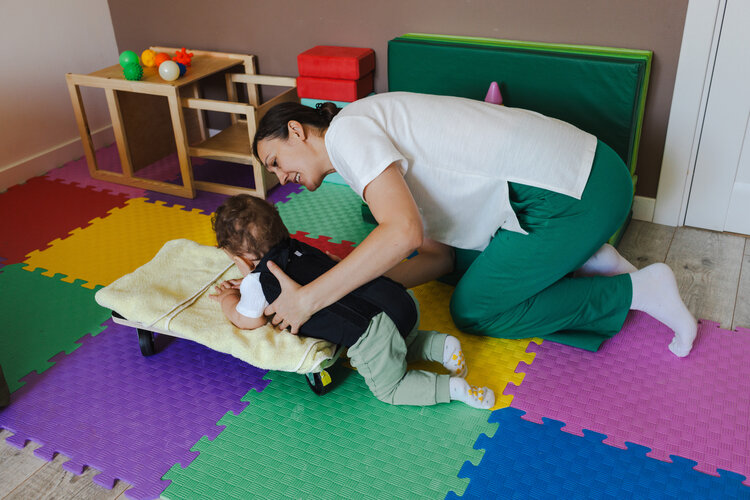
In-home rehabilitation focuses on non-medical assistance. It supports daily living rather than clinical rehabilitation. Typical services include:
• bathing, dressing, and grooming
• meal preparation, errands, and transportation
• supervision, companionship, and light housekeeping
This support helps maintain comfort and routine. It reduces caregiver strain and improves quality of life. However, it does not treat cognitive, behavioral, or neurological impairments. It does not retrain the brain or teach compensatory strategies.
In-home rehabilitation optimizes independence and prevents readmission with the goal of improving the quality of life long after the conclusion of rehabilitative therapy.
Why Brain and Spinal Cord Injury Recovery Require Specialized Neurorehabilitation
Neurorehabilitation is fundamentally different from standard orthopedic or post-surgical or injury recovery.
The brain controls literally every aspect of how you think, feel, act, and move. When it is injured, recovery means retraining the brain itself, not just the body. Strengthening muscles or repeating exercises is good, but it is not going to be enough. Research and clinical evidence show that functionally embedded, environmentally relevant interventions produce better outcomes for individuals with brain injuries. Skills practiced in a clinic often fail to transfer to real life situations. Skills practiced in real environments stick.
That principle drives NeuroPraxis’ in-home and community-based neurorehabilitation model. Instead of treating symptoms in isolation, clinicians intervene directly where challenges occur in kitchens, bathrooms, stores, sidewalks, workplaces, and social settings. Clients practice skills and tasks in context and learn strategies they can use immediately.
This approach improves carryover, safety, and independence.
How In-Home and Community-Based Neurorehabilitation Works
NeuroPraxis delivers a specialized, brain-centered rehab model designed to address the complex and interconnected effects of neurologic injury. Care is comprehensive and personalized rather than task-based or episodic. The program focuses on three core principles:
- Training in real-world environments where deficits are most visible
- Skill generalization across home, community, and vocational settings
- Interdisciplinary collaboration that treats the whole person, not isolated symptoms
Clinicians address cognitive challenges such as memory, attention, executive functioning, and processing speed. They also work on emotional regulation, behavior management, communication, mobility, and safety awareness. Families receive training so they can reinforce strategies between sessions and support long-term progress. This structure helps clients rebuild routines, reduce isolation, navigate systems, and regain meaningful roles in their communities.
It is rehabilitation designed and delivered in real life, not separated from it.
Evidence-Based Outcomes that Matter to Case Managers, Referral Partners, and Funding Sources
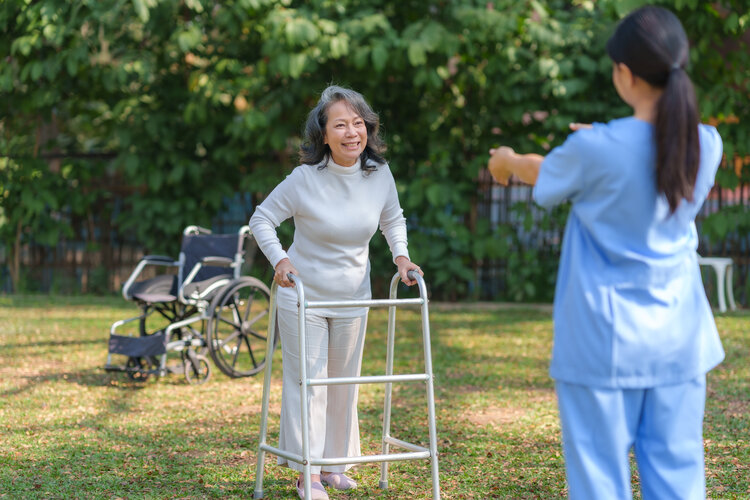
Community-based neurorehabilitation does more than improve skills on paper. It changes daily function. Studies consistently show improvements in:
• cognitive functioning, safety, and self-awareness
• community participation and vocational readiness
• emotional adjustment and overall quality of life
• reduced rehospitalization and long-term care costs
These outcomes align with guidance from organizations such as the Brain Injury Association of America, Commission on Accreditation of Rehabilitation Facilities (CARF), and the American Congress of Rehabilitation Medicine. All emphasize interdisciplinary, person-centered, community-based care as the standard for sustainable recovery.
For case managers and referral partners, this means fewer preventable complications and better long-term outcomes. For families, it means greater independence, functionality, and confidence at home.
Key Differences that Influence Referral Decisions
Home health addresses short-term medical needs. In-home rehabilitative care provides daily assistance. In-home and community neurorehabilitation delivers specialized brain-centered treatment that targets cognition, behavior, and real-world function.
They serve different purposes and are intended for different uses.
When teams rely only on home health or personal care, clients often plateau. Structured, specialized neurorehabilitation in real-world environments drives continued progress.
When to Use Each Service
Home health often fits for early medical recovery. In-home rehabilitation meets daily support needs. Specialized neurorehabilitation fills the needs of complex neurological recovery.
Many clients benefit from a layered approach that combines services over time. The key is matching the right service intensity and expertise to the client’s functional risks at the right time. Choosing correctly protects gains and prevents avoidable setbacks.
Supporting Recovery, Independence, and Quality of Life
Recovery after brain or spinal cord injury does not end at discharge. In many ways, it is just the beginning. Rehabilitation continues at home, in the community, and in everyday routines for years to come. The right services can make that transition safer and more successful.
For individuals with neurologic injuries, specialized neurorehabilitation can be the difference between plateau and progress. NeuroPraxis builds individualized care plans that connect therapy directly to real-world function, long-term independence, and outcomes.
If you are supporting a family member or client who needs ongoing recovery care, contact NeuroPraxis today for assistance. Call our team at 888.266.8921 to discuss the next steps or send us an email to hello@neuropraxisrehab.com. You can also submit a referral through our website: https://neuropraxisrehab.com/online-referral/.