TBI

Colorful smudged drawing of person holding their head depicitng depression nd anxiety after brain injury

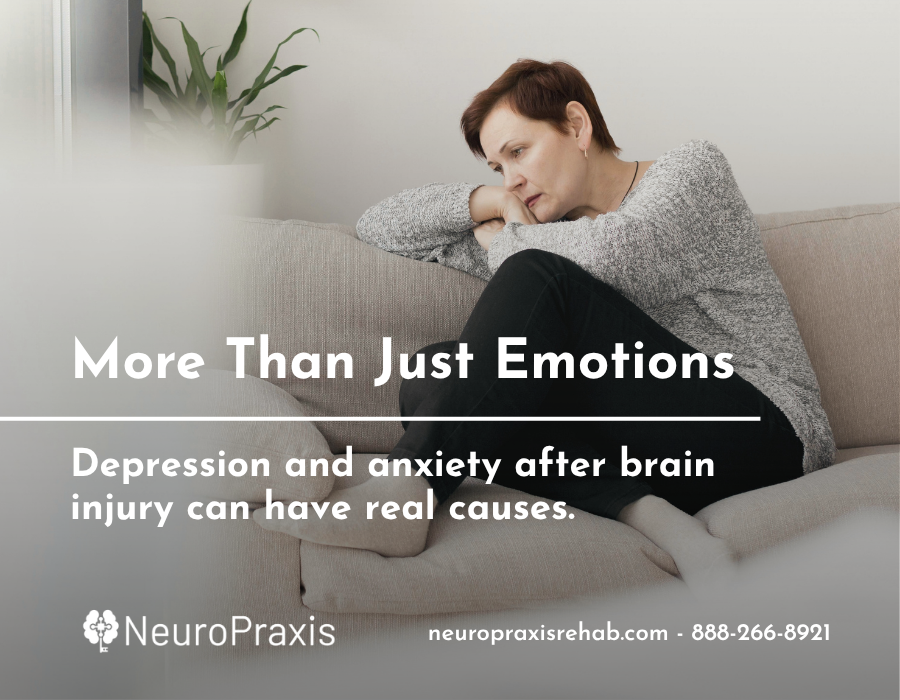
Proven Reasons for Depression & Anxiety After Brain Injury

Depression and anxiety after brain injury can have neurological, psychological, and social causes. Often, several of these factors interact. Damage may disrupt communication among brain regions that regulate mood, motivation, threat detection, stress responses, and emotional control. At the same time, trauma, loss, isolation, pain, and major life changes can prolong stress responses, intensify grief […]

Proven Reasons for Depression & Anxiety After Brain Injury Read More »
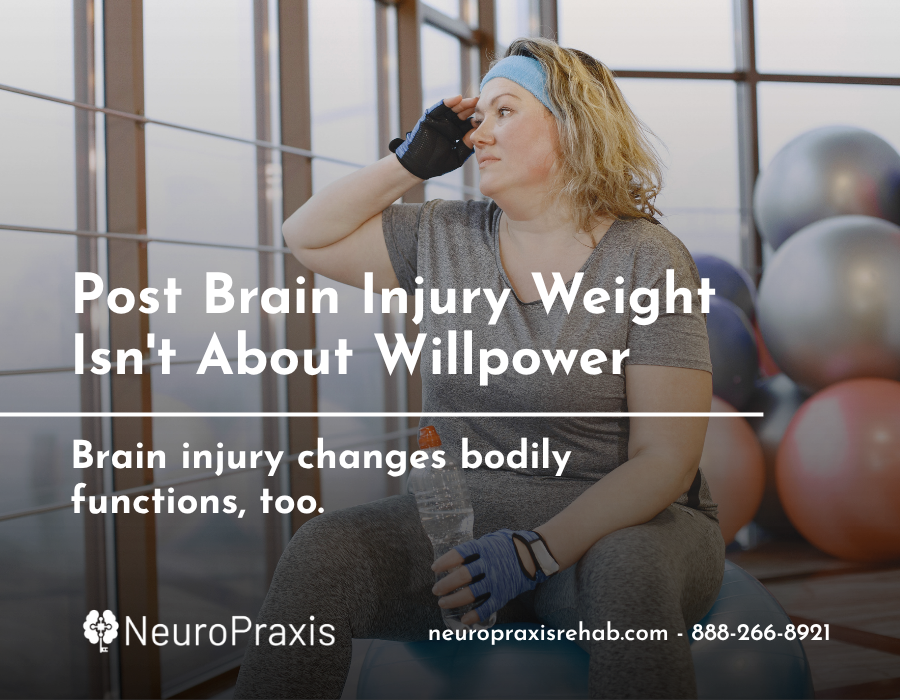
Obesity & Metabolic Health After Brain Injury: What You Need to Know

Weight gain after brain injury is not simply a matter of willpower. The injury can affect metabolic health in ways that contribute to weight gain and obesity. Changes in movement, fatigue, mood, cognition, sleep, medications, and hormones can all affect weight and metabolism after brain injury. Over time, weight gain and obesity can further influence

Obesity & Metabolic Health After Brain Injury: What You Need to Know Read More »

Brain Injury Is a Chronic Condition: Here’s What You Need to Know

In the past, brain injury was viewed as an acute medical event. The common belief was that recovery occurred within a relatively brief window following the injury. After that, healthcare professionals assumed the person had reached a stable recovery endpoint. Research and the lived experiences of many brain injury survivors tell a very different story. Scientists, clinicians, and leading brain injury organizations are increasingly recognizing that brain injury is a chronic condition rather than a single medical event.

Brain Injury Is a Chronic Condition: Here’s What You Need to Know Read More »

Case Management

Case Management: How to Make Better Care Plans Using Neuroscience

A care plan can be carefully designed and clinically sound and still prove ineffective if it doesn’t meet the client where they are. A person’s ability to engage is influenced by the current state of their brain and nervous system, as well as pain, fatigue, stress, trauma, cognitive demands, relationships, environment, and competing pressures. Neuroscience-informed

Case Management: How to Make Better Care Plans Using Neuroscience Read More »

This Is How Neuroplasticity Supports Brain Injury Recovery

Key Takeaways For most of modern medical history, scientists believed that, other than growth periods in childhood, the human brain was fixed by adulthood. If your brain was damaged, the chances for recovery were limited. People who experienced a stroke, brain injury, or other neurological event or condition were often advised that they would improve

This Is How Neuroplasticity Supports Brain Injury Recovery Read More »

Brain & Spinal Cord Injuries Need Specialized Proven Rehabilitation - Image of white digitized brasin with green text and NeuroPraxis logo

Brain & Spinal Cord Injuries Need Specialized Proven Rehabilitation

The words “home health” and “in-home rehabilitation” sound like they mean similar things.  But they don’t.  Choosing the wrong service can slow recovery, create gaps in care, and increase the risk of setbacks after discharge. Choosing the right combination can protect progress and support long-term independence.  For physicians, case managers, attorneys, insurers, and hospital leaders, this distinction directly

Brain & Spinal Cord Injuries Need Specialized Proven Rehabilitation Read More »

brain, human anatomy, brain anatomy,

Glossary of TBI Terms

Acquired Brain Injury: A type of brain injury sustained through an event that occurs sometime after birth. Activities of Daily Living (ADL): The routine, everyday self-care activities of personal hygiene such as bathing and dressing, as well as such activities as feeding and walking. Acute Care: Specialized hospital care for patients requiring specific types of

Glossary of TBI Terms Read More »