
Neuroplasticity after brain injury is the brain’s ability to change connections and reorganize patterns of brain activity. This ability supports all learning from birth until death and is what allows recovery after brain injuries. However, neuroplasticity is not a magic wand or a guarantee of full recovery. It is a biological process that a knowledgeable rehabilitation professional can guide. What you practice, how you practice it, and where you practice it can influence the neuroplastic adaptations your brain makes.
What Neuroplasticity After Brain Injury Really Means
A brain injury can disrupt networks involved in movement, communication, attention, memory, balance, and emotional regulation. Recovery often requires the surviving networks to figure out how to work differently to accomplish a task. It’s similar to finding a road closed on a familiar and efficient route you always take. Although it’s not the most direct path, you can still get where you want to go by taking alternate roads. Existing working brain connections may strengthen and enlist other networks to support functionality. Researchers call this process of neural rewiring experience-dependent neuroplasticity.
It sounds like complicated neuroscience, but the central idea is simple: your brain becomes more efficient at what it repeatedly does. After an injury, rehabilitation can encourage neuroplasticity through repeated practice of meaningful skills, strengthening the brain pathways that support them.
There are many proven ways to encourage and guide neuroplastic change.
1. Begin With a Meaningful Functional Goal
Your brain pays more attention to experiences that matter to you. In neuroscience, this quality is called salience. A meaningful goal can engage your brain, motivate you to keep practicing, and support neuroplastic change.
For example, “improve memory” is too broad a goal for your brain to get engaged. However, “make dinner safely” is a specific and functional goal. Other goals might include mastering public transportation, joining in a conversation, or returning to work.
Meaningful goals also help your rehabilitation team know the right tasks to focus on for you. They can connect rehab therapy to real-world skills need in the life you want to rebuild and guide neuroplasticity after brain injury in meaningful, targeted directions.
2. Practice the Exact Skill You Want to Improve
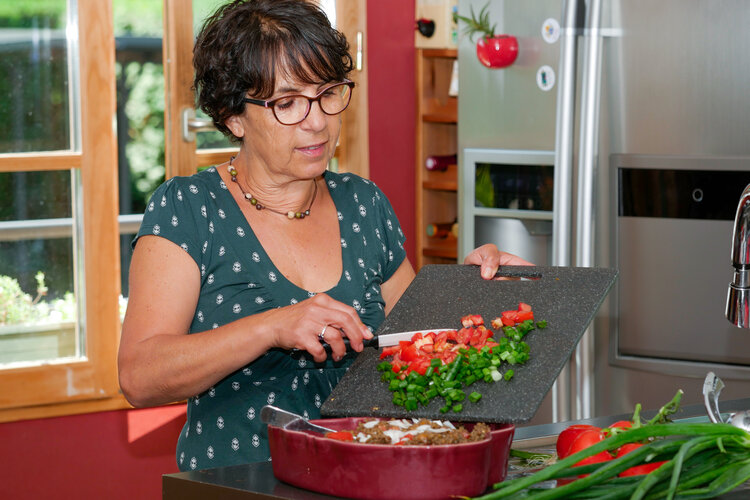
Neuroplastic change is highly specific. Practicing one skill does not automatically improve every related ability. If your goal is to be able to prepare a meal for your family, you need to practice planning and preparing meals. Reading recipes and directions may strengthen the cognitive skills required, but the knowledge may not transfer to being able to function in the kitchen without actual practice there.
In a foundational study coauthored by neuroscientist Michael Merzenich, adult squirrel monkeys practiced different hand and arm skills. The areas of the brain involved in a specific movement neuroplastically changed according to the precise skill repeated. That helps explain why rehabilitation often includes relentlessly practicing the activity a person wants to regain. If the goal is buttoning a shirt, finger exercises can help build component skills, but working with buttons utilizes the exact movements and coordination the activity uses. Performing a task in its real setting gives your brain the information it needs to perform it more effectively.
3. Use Repetition With the Right Amount of Intensity
A few attempts can introduce a new skill, but lasting learning usually takes repeated practice. Practicing a task engages the neural networks involved in doing it. Over time, neural connections within those networks can strengthen and their activity becomes more coordinated. That is why consistent repetition is a vital part of rehabilitation after brain injury.
Unfortunately, simply attending therapy doesn’t guarantee that you’re practicing a functional skill enough to improve it. An observational study of stroke rehabilitation found that patients generally completed relatively few repetitions of task-specific movements during therapy. A therapy session may include assessment, stretching, instruction, rest, or general exercises. While all of these activities are valuable, the brain needs repeated practice of the specific task you want to improve via neuroplasticity.
For example, as mentioned earlier, improving your ability to button a shirt requires repeatedly practicing that action. Walking better requires practicing the movements involved in doing it. Repeated, appropriately structured practice can strengthen the involved neural pathways. With continued practice, the skill can require less conscious effort in your brain and body and become easier to perform in daily life.
However, more is not always better. Excessive practice can increase fatigue, pain, errors, or discouragement. One large stroke trial even showed that a higher level of very early mobilization can potentially be harmful. An experienced rehabilitation team can determine the frequency, duration, and difficulty that is right for you. The goal is to practice enough to promote learning without overwhelming your nervous system. This is why your rehab plan needs to be revised as your abilities, health, and priorities change.
4. Give the Task Your Focused Attention
Mindless repetition is not going to produce the same results as focused, deliberate practice. Attention helps your brain identify which information and actions matter enough to make neuroplastic change. You will want to reduce distractions and focus when learning a new skill or practicing something you want to relearn. Work on one thing at a time. Do not try to multitask. Shorter, focused sessions with built-in brain breaks may be more productive without fatigue limitin learning.
Clear feedback helps your brain learn. A therapist can provide that by identifying what worked, correcting unsafe or unproductive movements, and adjusting the practice task as needed. Useful feedback helps your brain compare the desired result with what actually happened. As you master a skill, your therapist may reduce the prompts or switch it up in other ways. This step challenges and encourages your brain to monitor your own performance, learn more, and use the skill independently.
5. Choose a Challenge That Is Difficult but Achievable
Your brain needs a reason to adapt. A task that is too easy may not create enough demand to spark change. A task that is too difficult may make it hard to learn from your efforts and leave you discouraged. The best challenge usually sits somewhere in between those extremes. You should need to apply effort and experience some failures as well as successes.
As you progress, a therapist might change the number of steps, amount of support, pace, surface, or distractions. These adjustments can create the progressive challenge your brain requires to successfully rewire while also prioritizing safety.
Mistakes are good and can help your brain learn what works. However, if you repeatedly use an unsafe or ineffective way of doing a task, that approach can become what your brain learns. Knowledgeable rehabilitation gives you room to learn from mistakes while helping you adjust strategies that could hold you back or cause harm.
6. Practice in the Places Where the Skill Is Needed
A skill learned in one setting does not always transfer seamlessly to another. A skill that feels manageable in therapy may be harder to use at home, where the surroundings and demands are different. Practicing it in the places you will actually be using the skill can help you carry it into daily life.
That is why home and community rehabilitation is important. Preparing food in your own kitchen includes real tools, distractions, and safety decisions. Crossing your neighborhood street requires very different skills than walking down a quiet clinic hallway.
Clinical research found that enriched rehabilitation environments, such as in-home and community, can encourage more movement, mental engagement, and social interaction. One randomized trial reported improvements in functional and cognitive measures among neurological rehabilitation participants.
Real-world practice helps you adapt a skill across situations. It also shows your rehab team barriers that can be invisible in a clinical setting. This context helps encourage neuroplasticity after brain injury to produce the needed skills that are useful beyond a therapy session.

7. Protect Sleep and Build in Rest
Practice starts the learning process. Sleep is when your brain consolidates what you practiced. Research suggests that sleep supports motor learning after a stroke. Conversely, poor sleep, which is common after brain injury, can worsen attention, mood, and fatigue, making it harder to learn and practice new skills. Science shows it may also interfere with the neuroplastic changes that support recovery.
Tell your healthcare team about any insomnia, sleep apnea symptoms, or major changes in your sleep. These concerns deserve to be assessed and treated for optimal recovery. During the day, schedule demanding tasks when your energy level is highest. Take planned breaks or naps before fatigue symptoms show up. Pacing yourself is not giving up. It can help you complete higher-quality practice, learning, and recovery over time.
8. Add Aerobic Exercise When It Is Medically Appropriate
Aerobic exercise supports cardiovascular health, mood, endurance, and daily function. Studies shows that exercise oxygenates the brain and supports neuroplasticity after brain injury. Research after stroke suggests aerobic exercise can influence neural networks and support learning.
Walking, stationary cycling, or adapted aerobic exercise may be good options after brain injury. Your medical and rehabilitation teams can advise you on the type, timing, and intensity of exercise best for you at your stage of recovery. The goal is for exercise to support functional practice, not replace it. Improved fitness can give you more capacity to participate in rehabilitation and everyday life.
Neuroplasticity Reinforces Helpful and Harmful Patterns
Neuroplasticity is neutral. By itself, it’s not good or bad. Your brain can strengthen an effective, better pathway for doing something, but it can also strengthen avoidance, compensation, and “learned nonuse.”
For example, when using an affected arm is painful, frightening, or difficult to use, relying on the stronger arm is understandable. However, over time, the habit of using the better arm can become harder to change, even as your abilities improve. A rehabilitation therapist can identify what is getting in the way of progress and help you safely practice using the affected arm with the right support.
Frequently Asked Questions About Neuroplasticity and Brain Injury
What Are the Best Neuroplasticity Exercises After Brain Injury?
The most useful practice starts with a skill you want to use in your daily life. Notice where a task becomes difficult: that point can show you exactly what you need to work on. If writing is hard, you might begin by tracing letters, like in grade school. Then form them independently, and move on to writing words and sentences on lined paper. If speaking is difficult, you might read out loud or practice conversing with family or a speech-language pathologist. If using an affected arm is difficult, a rehabilitation professional can help you isolate the stronger arm and using the weaker arm during real tasks.
The same approach applies to memory and planning. You might use a checklist to prepare a meal at first. Then, practice following the same steps without the directions until the routine becomes familiar and manageable. As a skill improves, it helps your brain to make the task more challenging and practice it where you’ll actually use it.
Can Neuroplasticity Support Recovery Years After Brain Injury?
Yes. The brain retains the capacity to learn and change throughout a person’s life. Neuroplasticity after brain injury does not end at some arbitrary one-year deadline. Recovery may slow down or require different strategies as time goes on. Outcomes also depend on the injury, health, environment, access to care, and many other factors. No ethical provider can promise anyone a specific result.
While recovery may plateau in a period without measurable change, it does not always mean that future progress is impossible. A new goal, method, therapy, practice, environment, or level of support may reveal another path forward.
Can Brain Games Improve Neuroplasticity After Brain Injury?
In general, brain games have been shown to improve the specific skills practiced in the game. Those gains may or may not transfer to everyday function. However, some computerized brain training has been found to be especially useful.
A randomized trial involving adults with persistent cognitive difficulties after concussion found that coach-supported Posit Science’s BrainHQ training improved cognitive test performance in processing speed and visual attention more than ordinary computer games. A study of adults with chronic TBI found gains on some cognitive measures and in self-reported cognitive functioning. The particular benefits will depend on the exercises and the skills being trained. A rehab professional can help you choose a program that targets a specific difficulty for you and use it in conjunction with practice in daily life.
How Personalized Rehabilitation Directs Brain Change
Neuroplasticity explains why rehabilitation must be individualized. Two people with the same diagnosis can have very different strengths, barriers, and priorities. A personalized plan identifies the function that matters most to that person and can then apply the right practice, feedback, challenge, and support for them. Progress is measured through real outcomes, such as greater safety, independence, participation, or quality of life.
Personalized neurorehabilitation turns the science of neuroplasticity after brain injury into practical steps an individual can actively apply toward their recovery goals. NeuroPraxis provides in-home and community rehabilitation for people with brain and spinal cord injuries. Our interdisciplinary team helps clients practice meaningful skills in the environment they use them in every day.
Neuroplasticity After Brain Injury
There is no switch that allows you to simply “turn on” neuroplasticity. However, you can encourage and guide it through what you repeatedly practice, do, and experience. Meaningful goals, task-specific practice, focused attention, appropriate challenge, rest, and exercise all support neuroplasticity after brain injury. Professional rehabilitation support can help ensure that practice is safe, personalized, and connected to real-life function.
Brain injury is a chronic condition. Recovery and neuroplastic change can continue for life, too.
For individuals with neurologic injuries, specialized neurorehabilitation can be the difference between plateau and progress. NeuroPraxis builds individualized care plans that connect therapy directly to a person’s real-world function, long-term independence, and goals.
NeuroPraxis partners with physicians, case managers, discharge planners, workers’ compensation professionals, attorneys, and families. We support long-term brain and spinal cord injury recovery through individualized neurorehabilitation services.
If you are supporting a family member or client who needs ongoing recovery care, contact NeuroPraxis today. Call 888.266.8921 or email hello@neuropraxisrehab.com. You can also submit an online referral.