
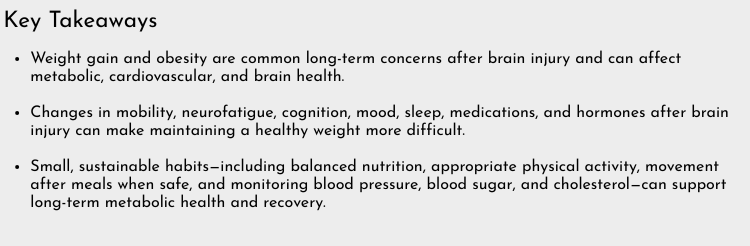
Weight gain after brain injury is not simply a matter of willpower. The injury can affect metabolic health in ways that contribute to weight gain and obesity.
Changes in movement, fatigue, mood, cognition, sleep, medications, and hormones can all affect weight and metabolism after brain injury. Over time, weight gain and obesity can further influence inflammation, blood vessel health, insulin signaling, and overall brain health. This can increase the risk of additional health conditions, including type 2 diabetes, high blood pressure, high cholesterol, cardiovascular disease, and stroke—adding another layer of health challenges for brain injury survivors.
Understanding these factors can help survivors, families, and professionals replace blame with practical support and strategies for better health.
Obesity and Metabolic Health Are Long-Term Concerns After Brain Injury
A large Traumatic Brain Injury Model Systems study followed 7,287 people with moderate to severe brain injury. Researchers found that 55% were overweight or obese one to two years after injury. That figure rose to 67% at 25 years post-injury. The study also associated obesity with hypertension, diabetes, heart failure, poorer overall health, and lower life satisfaction. Researchers stressed the importance of monitoring weight and identifying barriers to healthy living after brain injury.
These findings support a larger issue: brain injury is a chronic condition, and health risks can appear or worsen years after the original injury.
How Are Obesity and Metabolic Health Connected to the Brain?
Fat tissue is not simply stored energy; it is biologically active. Excess visceral fat, which accumulates around the abdominal organs, can release inflammatory chemicals into the bloodstream. Over time, this ongoing inflammation may damage blood vessels, increase oxidative stress, and interfere with insulin signaling. The brain needs steady blood flow and healthy insulin activity. When insulin resistance develops, brain cells may have more difficulty using glucose efficiently.
Obesity is also associated with high blood pressure (hypertension), type 2 diabetes, high cholesterol and other unhealthy blood lipid levels, cardiovascular disease, and stroke. These conditions can affect vascular health and blood flow to the brain. Over time, vascular and metabolic changes can affect memory, learning, mood, and cognitive function.
Body Weight and Brain Volume
Brain imaging research has determined associations between excess body fat and differences in brain structure. A UK Biobank study examined body mass index, waist-to-hip ratio, and brain volume. People with both a high BMI and a high waist-to-hip ratio had the lowest gray matter volume. The study only found an association which doesn’t prove that obesity directly caused the brain changes. However, these results add to the growing evidence linking waist size and brain volume.
Why Does Weight Increase After Brain Injury?
Brain injury can disrupt the systems that regulate movement, energy use, appetite, hormone production, planning, initiation, impulse control, and motivation. Together, these changes can culminate to reduce activity, interfere with healthy routines, alter hunger and metabolism, and increase the risk of weight gain and obesity.
Physical limitations reduce movement
Weakness, muscle stiffness, balance problems, dizziness, pain, spasticity, paralysis, and reduced endurance can make physical activity difficult or nearly impossible. Neurofatigue can also limit activity. A person may be physically capable but not have the mental or physical energy available to be active.
Cognitive changes disrupt healthy routines
Problems with memory, planning, initiation, judgment, and impulse control can adversely affect:
- Grocery shopping
- Meal preparation
- Portion awareness
- Food choices
- Exercise routines
- Medical appointments
A person may understand what supports good health but struggle to complete the tasks. For example, when mealtime rolls around, the easiest or only option may be unhealthy processed food, like frozen dinners or fast food.
Mood, sleep, and medications play a part
Depression, anxiety, poor sleep, isolation, and loss of meaningful life roles and routines can upset eating and activity patterns. Some medications can increase or decrease appetite, cause sedation, or contribute to weight gain and obesity. A healthcare provider should review unexplained weight changes and possible medication side effects.
Hormone changes can contribute to obesity
Brain injury can affect the hypothalamus and pituitary gland. These structures help regulate appetite, thyroid activity, stress hormones, energy, muscle mass, and body composition. Post-traumatic neuroendocrine dysfunction can cause fatigue, reduced muscle mass, metabolic changes, and weight gain. Symptoms may appear months or years after the initial injury.
Any sudden or unexplained weight change is deserving of medical evaluation.

Move Your Body in Ways That Work for You
Physical activity doesn’t have to involve running, expensive equipment, or going to a gym. After a brain injury, the best movement is going to be safe, accessible, meaningful, and sustainable. Some options may include:
- Walking
- Chair yoga
- Adaptive yoga
- Aquatic exercise
- Recumbent cycling
- Resistance bands
- Dancing
- Gardening
- Adapted sports
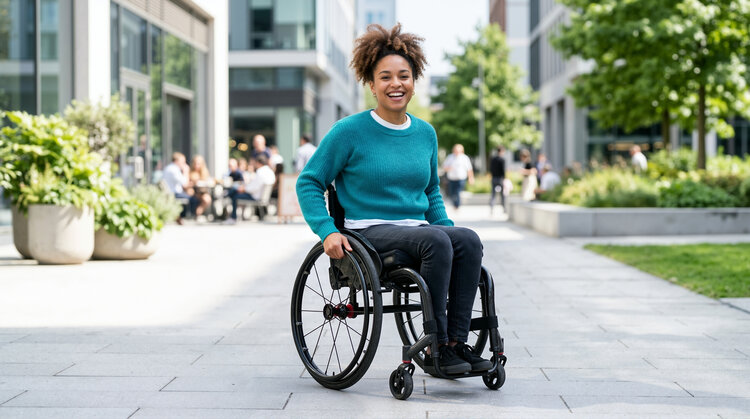
Physical and recreational therapists can modify activities to fit an individual’s balance, mobility, vision, pain, fatigue, and other symptoms. You can also find many examples of modified workouts online for people who use wheelchairs, have partial paralysis, or have other mobility limitations. Once medically cleared, a brain injury survivor will want to begin with manageable amounts of movement. Even a few minutes at a time count and have benefits. Activity can be increased gradually as safety, symptoms, and endurance allow.
Timing movement around meals may offer an additional benefit. When it is safe and appropriate, science tells us that taking a short walk soon after eating can help reduce the rise in blood glucose that occurs after a meal. If walking is not safe or possible, a rehabilitation professional can help identify accessible forms of movement that fit the person’s abilities.
Federal guidelines encourage adults with chronic conditions or disabilities to be as active as they are able and, when possible, work toward 150 minutes of moderate-intensity activity each week. Because brain injury can affect balance, fatigue, cognition, and other functions, activity goals need to be realistic and individualized with guidance from a healthcare or rehabilitation professional.
Movement supports more than weight management. It can help fuel neuroplasticity and recovery while improving strength, cardiovascular health, sleep, mood, mobility, and community participation.
Make Brain-Nourishing Food Easier to Choose
A brain-healthy eating plan needs to provide nutrients for healing without becoming another source of stress. Because the brain is one of the body’s most energy-demanding organs, adequate nourishment is especially important while it is working to heal, adapt, and rebuild after injury. Build balanced meals around:
- A variety of vegetables and fruits, especially colored produce, for fiber, vitamins, minerals, and protective plant compounds
- Beans, lentils, peas, and soy foods for protein, fiber, and steady energy
- Whole grains, such as oats, quinoa, brown rice, and whole-grain bread, avoid heavily refined grains
- Adequate protein throughout the day from foods such as meat, fish, eggs, poultry, yogurt, tofu, tempeh, beans, and lentils
- Healthy fats and oils from nuts, seeds, avocado, olives, and extra-virgin olive oil
- Omega-3-rich foods, such as salmon, sardines, trout, walnuts, chia seeds, flaxseeds, or algae-based sources
Combining protein, healthy fats, fiber-rich carbohydrates, and produce can provide more sustained energy and a broader range of nutrients to support overall health and recovery.
Choose beverages with little or no added sugar.
Water is a good everyday choice, and unsweetened coffee or tea, including green tea, can be alternatives to sugary drinks. Green tea contains caffeine and plant compounds called catechins that may modestly increase energy expenditure and fat oxidation.
Avoid rigid food rules and diets.
Strict approaches to eating can easily backfire, especially when fatigue or cognitive or physical changes can already make meal preparation and eating difficult. Plus, your brain needs lots of nourishment—not rules—to recover.
Reduce decision-making.
Keep nourishing foods visible and easy to reach. Prepare simple ingredients or get assistance meal prepping in advance. That way, convenient healthy options are available on days when fatigue, cognition, or mobility make eating healthy harder.
Utilize support to help you stay on track.
Grocery lists, meal schedules, phone reminders, labeled containers, and caregiver support can also help here.
For more information about supporting your brain nutritionally after injury, read Nutrition for Traumatic Brain Injury Recovery to learn more about nutrition, inflammation, metabolic changes, and long-term brain health.
Build Healthy Routines Into Everyday Life
Small routines can be easier to adopt and repeat than major lifestyle changes. Link healthy behaviors to things that already happen every day—meals, medications, appointments, or other regular activities. A short walk after a meal, keeping water or unsweetened tea in the refrigerator, or preparing tomorrow’s breakfast the night before can gradually become part of your normal habits.
Walking or rolling through a store, attending a dance class, volunteering, gardening, completing household tasks, or joining adapted recreational activities can all increase movement and fun. The idea is to just move. These activities can also provide connection, purpose, structure, and opportunities to practice functional skills.
Community participation can reduce isolation and make active routines easier to stick to. Meaningful activity supports neuroplasticity after brain injury and repeated practice helps the brain strengthen and adapt skills.
Monitor More Than the Number on the Scale
Weight alone does not define health.
Body mass index (BMI) is a general screening measure—not a diagnosis—and doesn’t account for factors such as body composition or where fat is stored. A more complete health assessment may take into account waist circumference, blood pressure, blood sugar or A1C, cholesterol and triglycerides, sleep, muscle strength, energy levels, food quality, medical history, and overall function. Regular medical care can also help identify and manage conditions such as type 2 diabetes, high blood pressure (hypertension), and high cholesterol.
Unexpected or persistent weight changes should be discussed with a healthcare provider, who can review medications and evaluate possible contributors such as sleep disorders, depression, thyroid problems, or post-traumatic endocrine dysfunction.
Focus on Progress, Not Perfection
The goal here is not to attain a certain body shape or number on a scale. The goal is better health, function, energy, independence, and quality of life after brain injury.
Start small. Little changes are less overwhelming and easier to repeat. Add one serving of vegetables to your meals. Replace one sugary drink a day with water or another unsweetened beverage. Move for five minutes a couple of times a day. Attend one community activity. Do what works for you!
Consistency matters more than intensity.
Any healthy changes you make need to realistically work in your real everyday life. Choose food and movement strategies that fit your energy, abilities, budget, preferences, access to food, and personal goals. When brain injury symptoms or medical concerns make instituting changes more difficult, a healthcare or rehabilitation professional can help personalize a plan to meet an individual’s specific needs.
We’re Here to Help
NeuroPraxis partners with physicians, case managers, discharge planners, workers’ compensation professionals, attorneys, and families to support long-term spinal cord and brain injury recovery through individualized neurorehabilitation services. If you are supporting a family member or client who needs ongoing recovery care, contact NeuroPraxis today for assistance. Call our team at 888.266.8921 to discuss the next steps or email hello@neuropraxisrehab.com. You can also submit a referral through our website.