
Brain Injury Is More Than a One-Time Event
In the past, brain injury was viewed as an acute medical event. The common belief was that recovery occurred within a relatively brief window following the injury. After that, healthcare professionals assumed the person had reached a stable recovery endpoint.
Research and the lived experiences of many brain injury survivors tell a very different story.
Brain Injury Is Increasingly Recognized as a Chronic Condition
Scientists, clinicians, and leading brain injury organizations are increasingly recognizing that brain injury is a chronic condition rather than a single medical event. A growing body of research shows that the effects of brain injury can persist, evolve, and sometimes worsen years after the initial injury. Researchers have documented long-term physical, cognitive, emotional, and social consequences that can affect individuals throughout the rest of their lives.
The American Academy of Neurology has called for traumatic brain injury to be recognized and managed as a chronic condition, noting that survivors often require ongoing monitoring and support rather than short-term treatment. Likewise, a comprehensive review published in The Lancet Neurology described traumatic brain injury (TBI) as a chronic health condition with effects that may continue long after the initial injury. Additional research published in The Journal of Head Trauma Rehabilitation reinforces the growing scientific consensus that brain injury is often a lifelong condition rather than an isolated medical event.
This shift in understanding is significant because it changes how healthcare providers, rehabilitation professionals, insurers, survivors, and families approach brain injury care.
A brain injury is not something a person simply “gets over.” For many, unfortunately, it becomes a lifelong neurological condition that requires ongoing management, support, and adaptation.
What Is a Chronic Condition?
A chronic condition is a health condition that lasts for an extended period and requires ongoing management. Examples include diabetes, heart disease, asthma, multiple sclerosis, and Parkinson’s disease. Recognizing brain injury as a chronic condition does not in any way suggest that recovery is impossible. Instead, it acknowledges that for many a brain injury can have lifelong effects and that they may benefit from ongoing care, rehabilitation, and support throughout different stages of life.
This growing understanding has led to significant changes in healthcare policy. In 2024, the Centers for Medicare & Medicaid Services (CMS) added traumatic brain injury (TBI) to the list of qualifying conditions for Medicare Advantage Chronic Special Needs Plans (C-SNPs), effective January 1, 2025. This marked the first time CMS formally recognized TBI as a chronic health condition.
Today, researchers, clinicians, policymakers, and advocacy organizations increasingly agree that brain injury should be viewed through a long-term health management lens rather than as an acute injury.

Why Brain Injury Symptoms Can Change Over Time
One reason brain injury is considered a chronic condition is that symptoms don’t always remain static. A person may make substantial progress after injury and encounter new difficulties when returning to work, raising children, managing finances, or navigating the aging process. Common long-term challenges may include:
- Memory difficulties
- Attention and concentration problems
- Mental fatigue
- Sleep disturbances
- Anxiety and depression
- Headaches and chronic pain
- Balance and mobility issues
- Executive functioning difficulties
- Sensory sensitivities
Research shows that outcomes following brain injury can improve or decline years after the original injury. These findings challenge the outdated belief that recovery reaches a fixed plateau around the end of the first year. Modern neuroscience has largely abandoned the idea of a permanent recovery endpoint.
Researchers now understand that brain injury outcomes are dynamic. Individuals may continue improving, encounter new challenges, or experience altered symptoms as life demands, health conditions, and environments change.
Brain Injury and Other Long-Term Health Risks
Research has also identified links between brain injury and increased risk for other health conditions later in life. Depending on injury severity, age, genetics, and other factors, individuals with a history of brain injury may also face elevated risks for:
- Depression and anxiety
- Chronic pain
- Sleep disorders
- Stroke
- Neurodegenerative diseases
- Cognitive decline
The increased risks do not mean that these outcomes are inevitable. However, they do also reinforce the importance of long-term monitoring, healthy lifestyle habits, and access to appropriate rehabilitation, support, and healthcare services. Research published in The Lancet Neurology suggests that brain injury may initiate biological processes that continue long after the original trauma, furthering the need for ongoing management and monitoring.
Why Ongoing Brain Injury Rehabilitation Matters
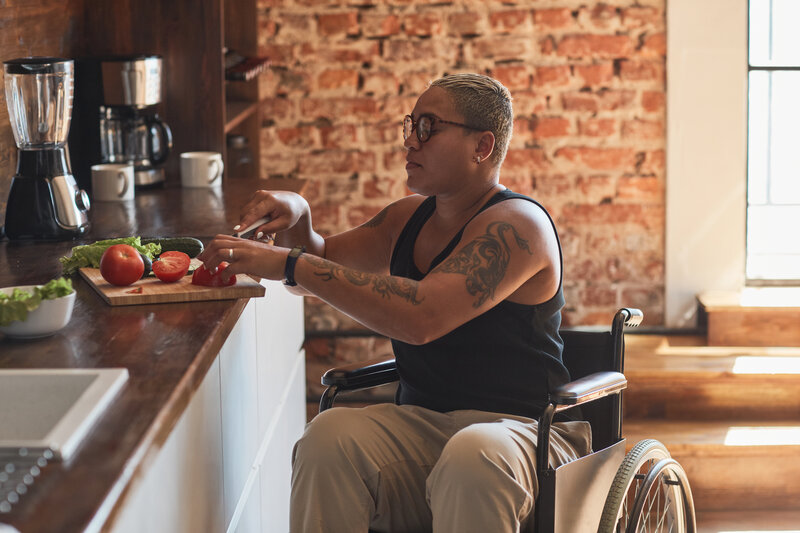
When brain injury is viewed as a chronic condition, rehabilitation becomes more than a temporary intervention. Instead, it becomes an ongoing resource that helps individuals adapt to changing needs and maximize health, function, independence, and quality of life throughout their lives. Someone who successfully returns home after injury may later need support with employment, relationships, independent living, or aging with a brain injury. Ongoing rehabilitation can help individuals:
- Develop compensatory strategies
- Improve functional independence
- Manage symptoms
- Increase participation in daily activities
- Address new challenges as they arise
- Maintain gains achieved during earlier recovery
Emerging research supports long-term, coordinated care models that help individuals manage changing needs throughout their lives. Experts increasingly recommend treating brain injury similarly to other chronic health conditions, with periodic reassessment, specialized and individualized rehabilitation, and ongoing support.
Neuroplasticity Supports Lifelong Recovery
One of the most encouraging aspects of modern brain injury science is the understanding of neuroplasticity. Neuroplasticity refers to the brain’s ability to adapt, reorganize, and form new neural connections throughout a person’s life. This means recovery does not end after a year.
Science confirms without a doubt that we can access neuroplasticity for positive brain change at any age and to facilitate brain injury recovery. The brain retains the capacity to learn, adapt, and improve function long after injury. While progress may occur more gradually over time, meaningful improvements remain possible. This understanding aligns with one of the most hopeful aspects of brain injury rehabilitation: while brain injury may be chronic, the brain’s ability to adapt is also lifelong.
Neuroplasticity doesn’t guarantee a specific outcome. However, it emphasized the importance of continued rehabilitation, meaningful activity, and consistent engagement to support recovery and continued improvement in the months, years, or decades after an injury occurs. This is one reason why personalized rehabilitation remains so important.
A Personalized Approach to Living With Brain Injury
No two brain injuries are exactly alike. Even individuals with similar diagnoses can experience very different symptoms, strengths, challenges, and recovery journeys. Factors that influence outcomes include:
- Injury location and severity
- Age
- Physical health
- Mental health
- Support systems
- Access to rehabilitation
- Lifestyle habits
- Personal goals
Because every brain is unique, rehabilitation should be personalized. A tailored rehabilitation care plan based on neuroscience can help address an individual’s specific injury and goals while supporting long-term adaptation, independence, and quality of life. This approach recognizes that brain injury is a chronic condition while also acknowledging that progress remains possible.

Brain Injury as a Chronic Condition: A More Hopeful Perspective
Some people worry that calling brain injury a chronic condition sounds discouraging. In reality, many experts believe the opposite is true. Recognizing brain injury as a chronic condition validates the experiences of survivors who continue to face challenges years after injury. It also encourages healthcare systems to provide ongoing support instead of assuming recovery has ended. Most importantly, it aligns with what research shows: brain injury is often a lifelong condition, but the brain’s ability to adapt is lifelong as well. This model focuses not only on symptoms but also on health, wellness, participation, independence, and quality of life throughout the lifespan.
Conclusion: Moving Forward After Brain Injury
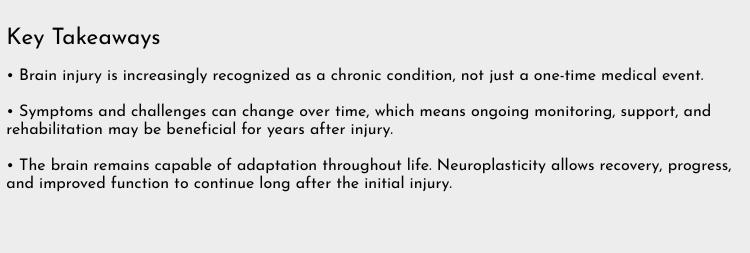
Brain injury is increasingly recognized as a chronic condition, not simply a one-time medical event. The effects of an injury may change over time, with some challenges persisting for years. Yet the science offers an equally important message of hope. Neuroplasticity allows the brain to continue adapting throughout life, creating opportunities for recovery, growth, and improved function long after injury.
At NeuroPraxis, we understand that every recovery journey is unique. You don’t know what’s possible until you try.
For individuals with neurologic injuries, specialized neurorehabilitation can be the difference between plateau and progress. NeuroPraxis builds individualized care plans that connect therapy directly to real-world function, long-term independence, and outcomes.
NeuroPraxis partners with physicians, case managers, discharge planners, workers’ compensation professionals, attorneys, and families to support long-term spinal cord and brain injury recovery through individualized neurorehabilitation services. If you are supporting a family member or client who needs ongoing recovery care, contact NeuroPraxis today for assistance. Call our team at 888.266.8921 to discuss the next steps or send us an email to hello@neuropraxisrehab.com. You can also submit a referral through our website: https://neuropraxisrehab.com/online-referral/.