Neuroplasticity

Neuroplasticity After Brain Injury: 8 Proven Ways to Support Recovery

Neuroplasticity after brain injury is the brain’s ability to change connections and reorganize patterns of brain activity. This ability supports all learning from birth until death and is what allows recovery after brain injuries. However, neuroplasticity is not a magic wand or a guarantee of full recovery. It is a biological process that a knowledgeable […]

Neuroplasticity After Brain Injury: 8 Proven Ways to Support Recovery Read More »
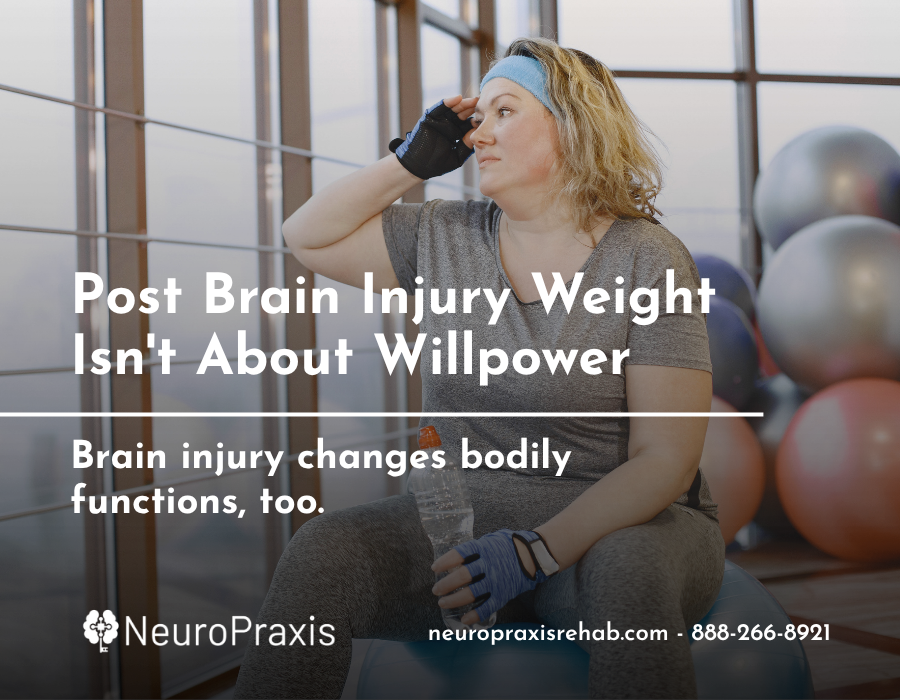
Obesity & Metabolic Health After Brain Injury: What You Need to Know

Weight gain after brain injury is not simply a matter of willpower. The injury can affect metabolic health in ways that contribute to weight gain and obesity. Changes in movement, fatigue, mood, cognition, sleep, medications, and hormones can all affect weight and metabolism after brain injury. Over time, weight gain and obesity can further influence

Obesity & Metabolic Health After Brain Injury: What You Need to Know Read More »

Brain Injury Is a Chronic Condition: Here’s What You Need to Know

In the past, brain injury was viewed as an acute medical event. The common belief was that recovery occurred within a relatively brief window following the injury. After that, healthcare professionals assumed the person had reached a stable recovery endpoint. Research and the lived experiences of many brain injury survivors tell a very different story. Scientists, clinicians, and leading brain injury organizations are increasingly recognizing that brain injury is a chronic condition rather than a single medical event.

Brain Injury Is a Chronic Condition: Here’s What You Need to Know Read More »

Case Management

Case Management: How to Make Better Care Plans Using Neuroscience

A care plan can be carefully designed and clinically sound and still prove ineffective if it doesn’t meet the client where they are. A person’s ability to engage is influenced by the current state of their brain and nervous system, as well as pain, fatigue, stress, trauma, cognitive demands, relationships, environment, and competing pressures. Neuroscience-informed

Case Management: How to Make Better Care Plans Using Neuroscience Read More »

This Is How Neuroplasticity Supports Brain Injury Recovery

Key Takeaways For most of modern medical history, scientists believed that, other than growth periods in childhood, the human brain was fixed by adulthood. If your brain was damaged, the chances for recovery were limited. People who experienced a stroke, brain injury, or other neurological event or condition were often advised that they would improve

This Is How Neuroplasticity Supports Brain Injury Recovery Read More »